Picture your weekends on the water, not on a ladder. If low-maintenance living with year-round lake amenities sounds like your next chapter, a condo or villa in Lake Saint Louis could fit your lifestyle and budget. In this guide, you’ll learn expected price ranges, how HOA and LSLCA fees work, what “full lake rights” really mean, how boat slips are assigned, and the financing checks that can make or break your deal. Let’s dive in.
Condo vs. villa in Lake Saint Louis
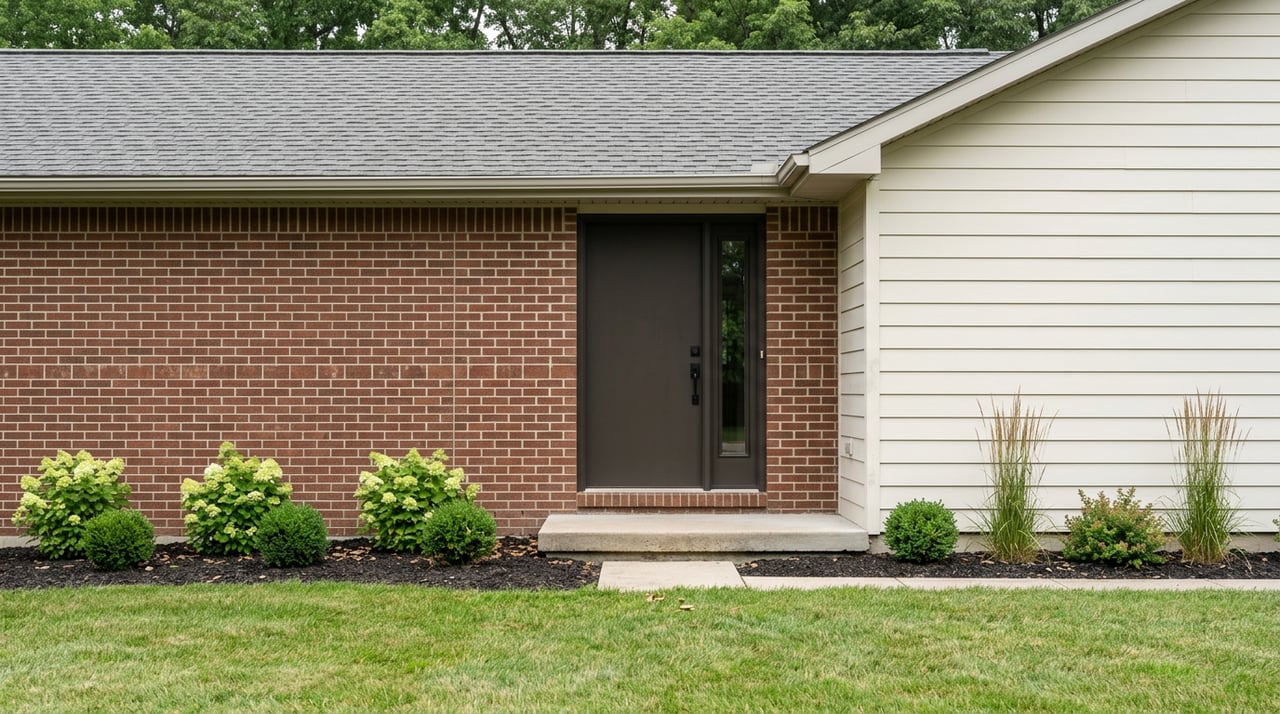
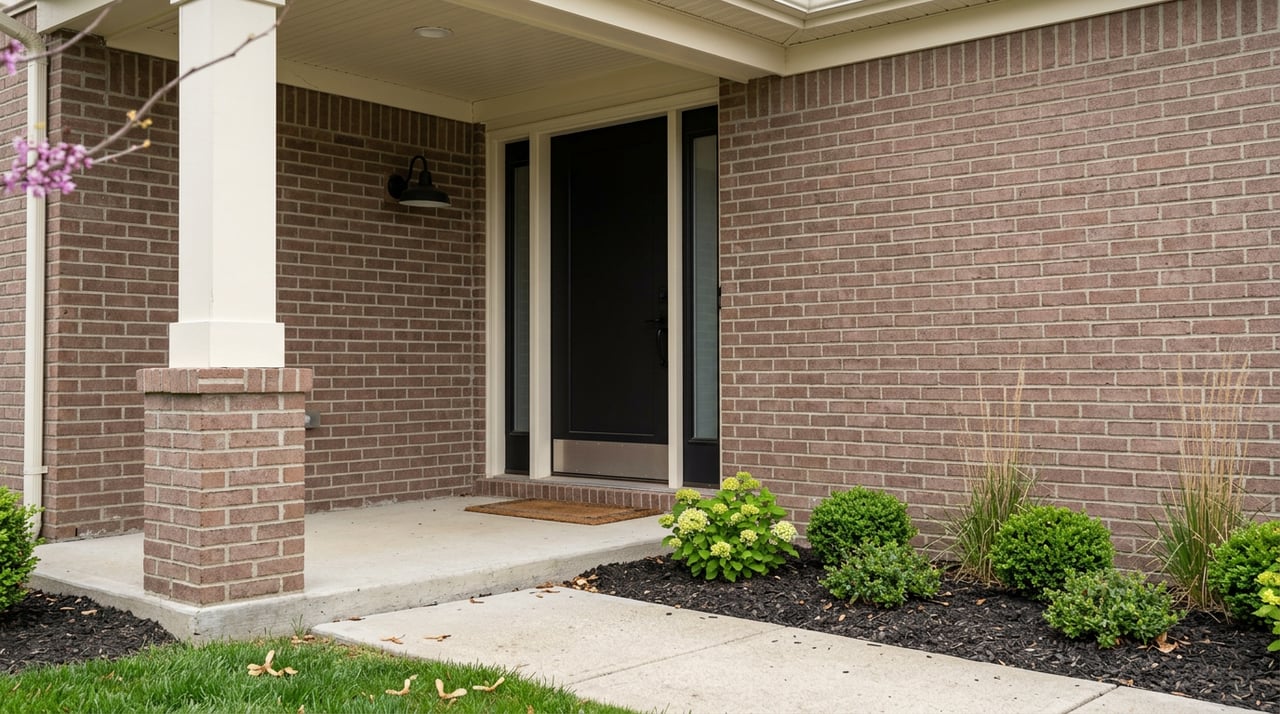
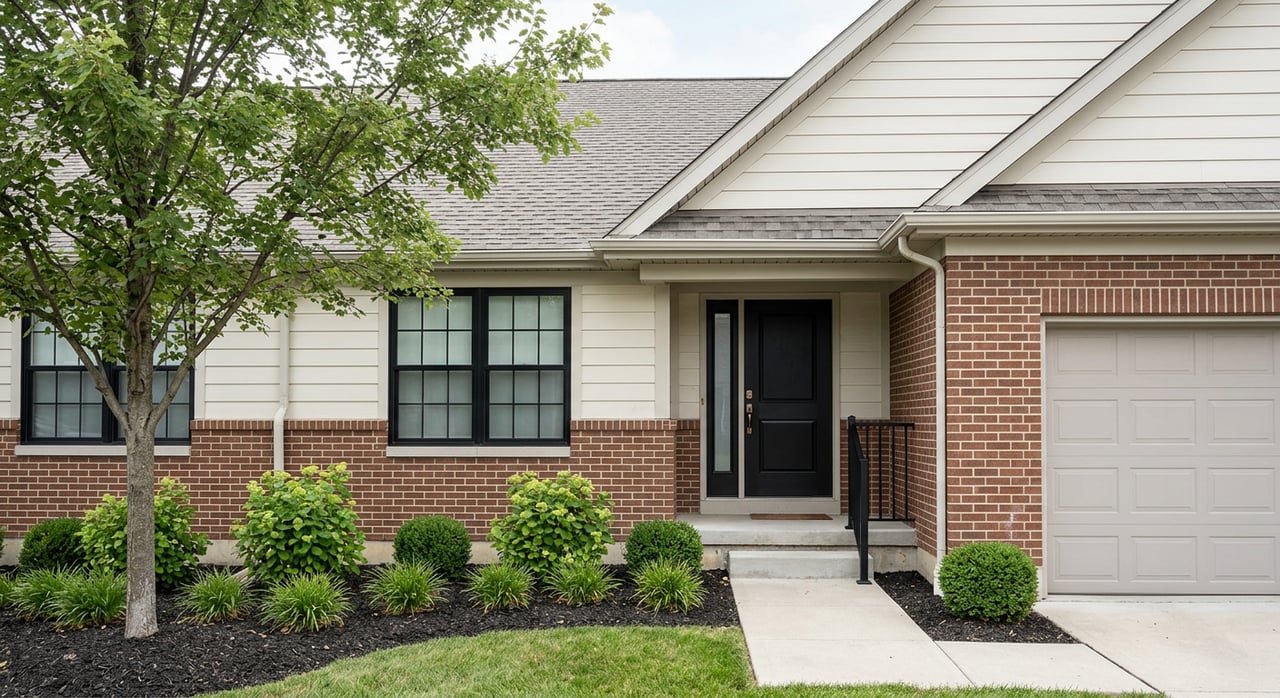
In local listings, “condo” often refers to multi-unit buildings, from garden-style to stacked or townhouse-style layouts. “Villa” usually describes attached or townhome-style units that market easy, often single-level living, sometimes with lake orientation. Many villas are legally condominiums for governance, even if the listing calls them villas.
Always verify the recorded ownership type. Ask for the condominium declaration, plat, or deed so you know exactly what you own and how the HOA governs it. This matters for maintenance responsibilities, insurance, resale, and financing.
What you can expect to pay
Lake Saint Louis offers a wide range of attached options. While citywide medians give helpful context, condos and villas trade in distinct bands based on age, size, updates, and water proximity.
- Entry-level garden condos: Frequently in the low six figures, with examples observed near about $120,000 to $165,000 in older garden-style buildings.
- Mid-range townhomes and villas: Often around $220,000 to $400,000, depending on finishes, age, and proximity to the lakes.
- Waterfront or fully updated units: Commonly above $400,000, especially for prime water views or larger footprints.
Exact pricing changes with condition, views, parking, and access to amenities. Use recent sold comparables from the past 6 to 12 months for your target complex or street before you write an offer.
LSLCA lake rights and annual assessment
Lake amenities in Lake Saint Louis are managed by the Lake Saint Louis Community Association (LSLCA). Members enjoy a broad amenity set that includes the clubhouse, pools, fitness center, tennis and pickleball, golf, beaches, marinas, water patrol, and community events. You can review the association and amenities on the LSLCA site.
- LSLCA assessment: For 2026, the annual assessment was $650 per property within the LSLCA boundary, as published in the association’s assessment insert. See the 2026 LSLCA assessment for details.
- “Full lake rights”: Listings often highlight “full lake rights,” which generally means access to LSLCA amenities when you are a member in good standing. This is not the same as an automatic private dock or guaranteed slip.
If lake access is your priority, confirm two things early: whether the address sits inside the LSLCA boundary and how LSLCA rules apply to that property. For boating, also confirm slip and boat registration details in the LSLCA amenity and fee schedule.
Boat slips and waitlists
Dock and marina access is limited and managed by the LSLCA. Some marinas have long waitlists. If you plan to keep a boat on the lake, call the CA office before you write an offer to understand the current queue for the marina closest to your unit. The association posts current queues by marina on the LSLCA dock waiting list.
Key tip: Being inside the LSLCA boundary gives you the right to use amenities per the rules, but it does not promise immediate slip availability. If a slip matters, make your offer timeline flexible while you confirm the waitlist status and fees.
HOA fees and what they cover
Most attached communities in Lake Saint Louis have a sub-association HOA that handles common services, plus the separate LSLCA assessment for area-wide amenities. Monthly HOA fees vary by building and what’s included. Many local complexes publish fees that often fall around $200 to $450 per month, with outliers on both sides.
Common inclusions:
- Exterior maintenance, roofs, and common-area upkeep
- Master insurance for common elements
- Water, sewer, and trash for many garden-style buildings
- Landscaping, snow removal, and reserve contributions
- On-site amenities like pools or playgrounds, if offered
Local examples based on recent listing snapshots:
- Garden-style condos like Mystic Village have advertised monthly HOA in a range roughly around the upper $200s to low $400s, depending on the unit and year.
- Townhome-style blocks in Harbor Town have shown HOA fees commonly near the low $200s to low $300s per month.
- Villa Drive units have closed in the $300,000 to $385,000 range in recent years, with HOA examples often reported around the mid-$100s to mid-$200s per month.
Always confirm current fees, what they cover, and any pending assessments with the seller’s resale/estoppel certificate and the HOA’s budget.
Who fixes what
In many condo and villa associations, the HOA handles the building exterior, roof, and common areas. You typically handle everything inside your unit, including appliances, finishes, and often your in-unit HVAC and plumbing. The exact split of responsibilities is defined in the recorded CC&Rs and bylaws, so do not assume. Ask for the governing documents and the HOA master insurance declarations to understand coverage.
Financing checks that matter
Financing for condos and villas depends on the project’s eligibility. Conventional lenders selling to Fannie Mae or Freddie Mac complete a project-level review. If the condo is “warrantable,” conventional financing is widely available. If not, you may need a portfolio or specialty non-warrantable loan that can require more money down and higher rates. See Fannie Mae’s overview of condo project review types to understand how lenders evaluate projects: Fannie Mae condo project requirements.
Agencies often look at reserve funding, owner-occupancy ratios, delinquency rates, litigation, insurance, commercial-use percentage, and whether any single entity owns too many units. These factors can impact both loan availability and resale liquidity.
- FHA loans: FHA has project approval paths and a single-unit approval option in some cases. Check current FHA processes through HUD resources and confirm with your lender early. Learn more at HUD’s FHA info page.
- VA loans: VA maintains its own condo approval list and rules. If a project is not approved, lenders can request a VA review, but it can take time. See an overview of the VA condominium approval process.
Pro move: Ask your lender to run a condo project check before you waive financing contingencies. If the project review will take several weeks, reflect that in your contract timeline.
Due diligence checklist for buyers
Request these items early to reduce surprises:
- Resale or estoppel certificate showing current dues, delinquencies, rental rules, and any special assessments.
- Current-year HOA budget and the most recent reserve study or reserve line items.
- HOA meeting minutes from the past 12 to 24 months for signs of deferred maintenance, litigation, or planned capital projects.
- CC&Rs, bylaws, and house rules to verify pet, parking, rental, and exterior alteration rules. You can review community-level bylaws on the LSLCA bylaws page, then confirm your specific HOA’s documents.
- HOA master insurance declarations to understand coverage and deductibles.
- LSLCA items, if lake access matters: confirm the address is inside the CA boundary, the current assessment amount and status, and the dock waiting-list number and rules. Reference the 2026 LSLCA assessment and amenity fees.
- From your lender: confirmation of Fannie/Freddie review path and whether FHA or VA approvals apply to your unit.
Pros and cons of condo and villa living
Pros
- Low-maintenance living: exterior, roof, and common grounds are often handled by the HOA, freeing your weekends.
- Amenity access: pools, clubhouse, fitness, tennis, golf, beaches, and community events run by the LSLCA bring year-round value.
- Price efficiency: attached options can offer a lower entry point than some single-family waterfront homes, depending on unit and condition.
Cons
- Ongoing fees: monthly HOA plus the LSLCA assessment are recurring costs that may rise. Special assessments can occur.
- Financing friction: if a project is not warrantable or lacks FHA/VA approval, your options may narrow and timelines can stretch.
- HOA governance: you cede some control over exterior and common-area decisions. Review minutes to understand the culture and any disputes.
Property taxes and planning your budget
In Missouri, residential property is assessed at 19 percent of market value for tax purposes, not 100 percent. Your parcel’s tax bill depends on that assessed value and local rates. See the Missouri State Tax Commission’s explanation of how assessed value works here: Missouri STC on assessed value. Use this plus your HOA, LSLCA assessment, insurance, utilities, and any boat-related fees to model a realistic monthly budget.
How to shop smart in Lake Saint Louis
- Confirm the address is inside the LSLCA boundary and review amenity rules and fees. If you want a slip, check the marina’s current waiting list and boat-registration process before you make an offer.
- Ask for the HOA resale/estoppel certificate, budget, and reserve study. If these are not available quickly, treat that as a yellow flag and proceed carefully.
- Have your lender run a condo project review early. If the project needs a full review, build the time into your offer.
- Pull sold comparables from the last 6 to 12 months for your target building or street. Pricing can vary block by block based on updates and water access.
- During inspections, align findings with HOA responsibilities. If a roof or exterior issue appears, confirm whether the HOA handles it and how reserves or assessments would fund repairs.
How we help you win
You deserve a smooth, informed path to lake living. Our team-based approach pairs local neighborhood knowledge with clear, step-by-step guidance. We help you:
- Shortlist buildings that fit your budget, HOA tolerance, and amenity goals.
- Request the right HOA documents and interpret what they mean for risk and cost.
- Coordinate with preferred lenders who understand condo project reviews.
- Craft offer timelines that protect you on financing and HOA due diligence.
When you are ready to explore condos and villas in Lake Saint Louis, reach out to Reed Koppel Collective for a friendly, no-pressure conversation about your goals.
FAQs
What does “full lake rights” mean in Lake Saint Louis?
- It usually means you can use LSLCA amenities as a member in good standing, subject to rules and fees, but it does not guarantee a private dock or an immediate marina slip.
How much are typical HOA and LSLCA fees for condos and villas?
- Many local HOAs publish monthly fees often around $200 to $450, depending on services. The LSLCA assessment for 2026 was $650 per property within the boundary.
Can I get a boat slip with a condo purchase in Lake Saint Louis?
- Slip availability is limited and managed through LSLCA marina waitlists. Check the current queue for your target marina before you make an offer.
Are FHA or VA loans available for Lake Saint Louis condos?
- Possibly, but eligibility depends on the project. FHA and VA have their own approval processes, and your lender should verify project status early.
What is the difference between a condo and a villa locally?
- “Condo” often refers to multi-unit buildings, while “villa” describes attached or townhome-style living. Many villas are legally condominiums for governance, so check the recorded ownership.
What HOA documents should I review before buying a condo or villa?
- Ask for the resale/estoppel certificate, budget, reserve study, meeting minutes, CC&Rs/bylaws, and master insurance declarations. Verify fees, reserves, rules, and any pending special assessments.