If you are dreaming about morning coffee by the water or easy weekend boating, buying in Lake Saint Louis can feel exciting and a little tricky at the same time. Not every home with a water view comes with the same rights, costs, or access, and that matters more here than many buyers expect. When you understand how waterfront ownership, dock access, and community rules work, you can shop with more confidence and avoid expensive surprises. Let’s dive in.
Why Lake Saint Louis Is Different
Lake Saint Louis was created as a private recreational lake community in 1966 and later became a city in 1975. Today, that history still shapes how waterfront and lake-access living works.
For you as a buyer, the key point is that there are two layers of oversight. The City of Lake Saint Louis handles permits and code enforcement, while the Lake Saint Louis Community Association governs lake use, docks, shoreline changes, and annual assessments.
The association community includes a 625-acre main lake, a 75-acre small lake, beaches, marinas, and additional dock and slip spaces. That setup gives buyers a lot of lifestyle options, but it also means access to the water is tied to specific rules and approvals.
Know the Difference in Home Types
Waterfront homes
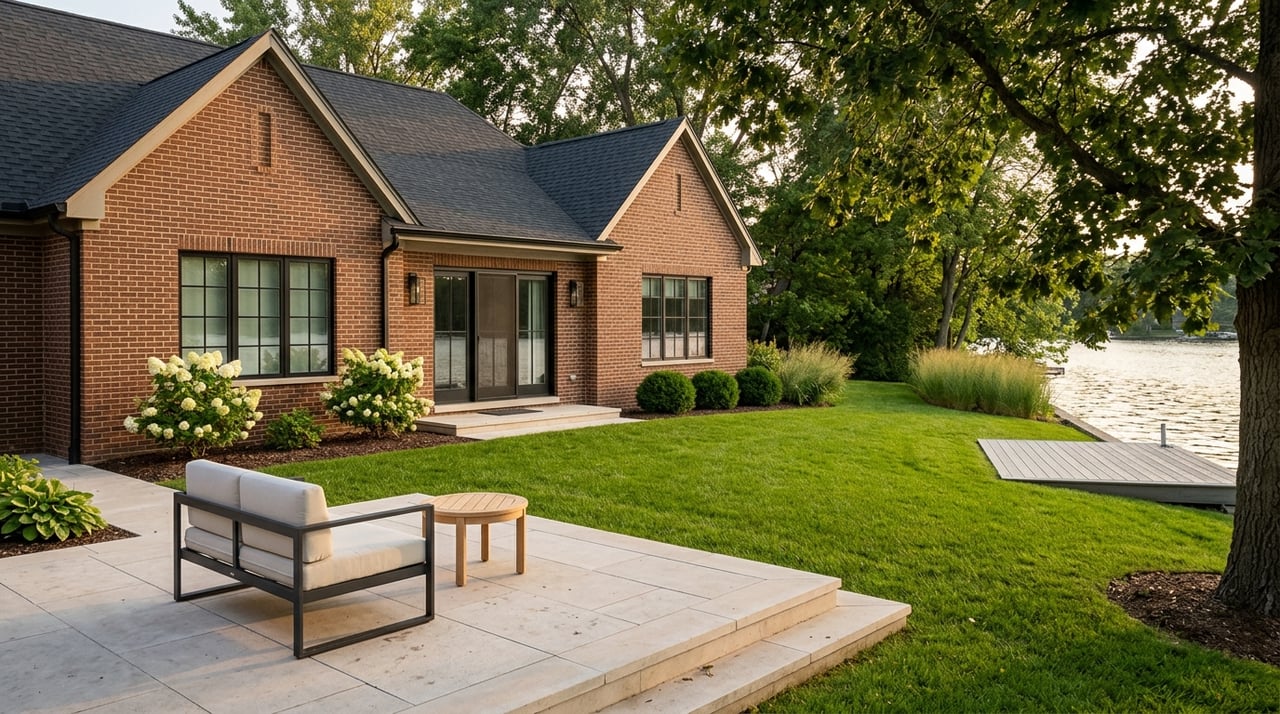
A true waterfront lot is generally contiguous to the association-owned lake. Association guidelines also treat some shoreline-stabilized lots as waterfront when the stabilization plan was approved.
That distinction matters because a home sitting near the water is not always the same as a home with rights tied to the shoreline. If you are paying a premium for waterfront living, make sure the property’s status is clearly documented.
Lake-access homes
Some buyers in Lake Saint Louis enjoy the lakes through marina slips, assigned dock space, or waitlist-based access rather than owning a waterfront lot. The association’s separate dock waiting list and dock locator support that structure.
A lake-access home can still offer the lifestyle you want, but you should treat access as a separate asset. In other words, the house and the boating setup may not transfer in the same way.
Lake-view homes
A lake view can be a big lifestyle plus, but a view alone does not mean you can build a dock or keep a boat at the shoreline. In Lake Saint Louis, dock rights are licensed, renewed, and regulated separately.
That is why buyers should avoid lumping lake-view and lake-access homes into the same category. They may look similar online, but their long-term use and value can be very different.
Dock Access Deserves Extra Attention
If boating is part of your plan, dock access should be one of the first things you verify. In Lake Saint Louis, supply appears limited compared with demand.
The association’s March 8, 2024 update showed 1,767 households on the dock waiting list. That same update showed 632 names on the Main marina list and 281 on the Wharf list.
The new-resident guide says the Main Marina houses 196 boats, Windjammer Pointe has 35, and other dock and slip locations add another 242 spaces. For you, that means a home purchase should not be based on assumptions about future dock availability.
Questions to ask about a dock or slip
Before you move forward, ask the seller or your agent to clarify:
- Is the home a true waterfront property or a lake-access property?
- If a dock or slip is part of the sale, is it a private dock, rented slip, or waitlist-based assignment?
- What is the current renewal status?
- Are there any deadlines or conditions that affect continued use?
- Can the seller provide documentation for licenses, approvals, or rental status?
Understand the Ongoing Costs
Lake living usually comes with more than a mortgage payment, and Lake Saint Louis is no exception. The association’s 2026 reminder sheet states that the annual assessment for all properties within Community Association boundaries was $650.
That assessment had to be paid before an owner could register a boat or pay dock rental fees. The same reminder sheet says unpaid assessments can lead to late charges and liens.
Dock rental fees are due April 1. If the fee is not paid, the slip is forfeited to the next person on the waiting list, and subleasing rental slips is prohibited.
For buyers, the takeaway is simple: budget for the home, the association assessment, and any separate boating or dock costs. In this community, water access depends on ongoing compliance, not just what happens at closing.
Dock and Shoreline Rules Matter
Private docks are regulated
If you are buying a waterfront home because you want a private dock, do not assume you can build, expand, or keep everything exactly as it is today. Association guidelines say improvements in or on the lakes are subject to annual licensing and review.
The association can revoke or suspend a license if an improvement is not maintained or if the owner is not in good standing. That means an existing dock should be evaluated not just for appearance, but for compliance.
Size and placement have limits
Association guidelines say only one dock is permitted per waterfront lot. They also state that docks and lifts must meet spacing and channel-clearance rules and stay within the association’s size limits.
For you, that means the lot itself matters just as much as the house. A large yard at the water does not automatically mean more dock flexibility.
Shoreline changes need approval
The covenants state that shoreline contours may not be changed without written approval. They also say a lot may not be enlarged by filling in lake water.
When you tour a property, look for evidence of a stable shoreline and ask whether any prior work was approved. Unclear shoreline history can create headaches after closing.
Check Permit and Floodplain Issues Early
The city’s building division says permits are required for new homes and many common improvements, including additions that create habitable space, pools, fences, decks, and similar structures. For waterfront homes, that matters because outdoor features are often a big part of the property’s appeal.
The city also has a floodplain development permit process for mapped floodplain areas. St. Charles County says more than 40% of the county is flood-prone land and that floodplain permits are required for practically all construction, improvements, demolition, or earthmoving in regulated flood areas.
Before closing, verify whether the property is in a mapped floodplain and whether past improvements were properly permitted. If you plan to add or change anything later, confirm what approvals may be needed first.
What to Prioritize When Touring Homes
The right waterfront or lake-access home is not just about the best view. It is about how usable, documented, and manageable the property will be over time.
Here are a few smart things to prioritize during showings:
- Clear, usable lake frontage and easy access from the house to the water
- A dock setup that fits the lot without crowding channels or boundaries
- Signs that the shoreline is stable and not showing erosion or unauthorized fill
- A maintenance profile that looks realistic to keep in good standing with the association
- For non-waterfront homes, a confirmed and practical plan for slip or dock access
What Helps a Home Hold Value
In a market like Lake Saint Louis, homes are easier for buyers to evaluate when the ownership story is clear. That usually means the property has documented access rights, a clean maintenance history, and no confusion about whether it is truly waterfront, lake-access, or only lake-view.
It also helps when sellers can provide approval letters, dock licenses, and permit records for shoreline work, decks, pools, or other exterior improvements. Because both the city and the association regulate different parts of the property, clean documentation reduces uncertainty.
If you are buying with future resale in mind, clarity is a feature. A beautiful setting is important, but paperwork and compliance can make a real difference later.
A Simple Buyer Checklist
Before you write an offer, confirm these basics:
- The exact property type: waterfront, lake-access, or lake-view
- Whether any dock or slip is included and how that access works
- Current association assessment status and any unpaid charges or liens
- Dock renewal status, fees, and deadlines
- Association approval letters for docks, lifts, shoreline work, or stabilization
- City or county permits for decks, pools, fences, or additions
- Floodplain status and whether any floodplain permits were required
- Boat registration, inspection, insurance, title, and safety-course requirements if you plan to use the lakes
Buying on or near the water in Lake Saint Louis can be a great fit when the details line up with your goals. With the right guidance and careful review upfront, you can focus less on surprises and more on enjoying the lifestyle you are buying into.
If you want help comparing waterfront, lake-access, and lake-view homes in Lake Saint Louis, reach out to Reed-Koppel Collective. As a Member of Reed Koppel Collective, the team can help you evaluate access, documentation, and resale factors with a local, practical approach.
FAQs
What is the difference between a waterfront home and a lake-view home in Lake Saint Louis?
- A waterfront home is generally contiguous to the association-owned lake, while a lake-view home may overlook the water without carrying shoreline or dock rights.
Do Lake Saint Louis lake-access homes always include a dock or slip?
- No. Some lake-access owners rely on rented slips or waitlist-based access, so you should verify exactly what transfers with the property.
What are the annual association costs for homes in Lake Saint Louis Community Association boundaries?
- The association’s 2026 reminder sheet says the annual assessment was $650, and it had to be paid before boat registration or dock rental fees could be processed.
Can you build or change a dock at a Lake Saint Louis waterfront home?
- Dock and shoreline improvements are regulated by the association, subject to approval and annual licensing, and must meet rules on size, spacing, and channel clearance.
What should you verify before buying a waterfront home in Lake Saint Louis?
- Confirm waterfront status, dock or slip rights, assessment status, permit history, floodplain status, and any association approvals tied to shoreline or exterior improvements.