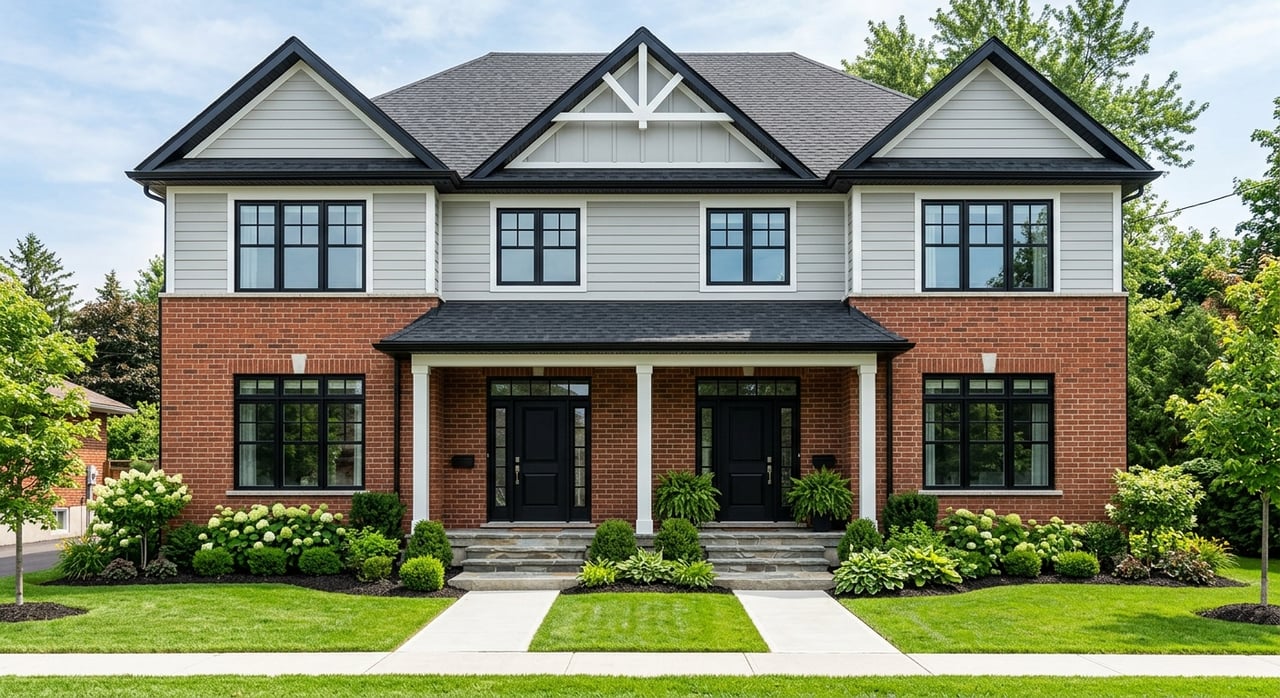
If you are looking at Troy, MO for your next rental or duplex purchase, the opportunity is real, but it is not a market that rewards loose assumptions. Troy combines population growth, a mostly owner-occupied housing base, and rents that can support small-scale investing when the numbers are right. If you want to understand where duplexes, rentals, and small multi-family fit in this market, this guide will help you underwrite more carefully and buy with clearer expectations. Let’s dive in.
Why Troy Gets Investor Attention
Troy is a growing market in Lincoln County with a 2024 population estimate of 14,963, up 18.0% from the 2020 Census, according to the U.S. Census Bureau QuickFacts. That kind of growth tends to put more attention on housing demand, especially in places that offer more space and lower costs than larger metro areas.
Location also plays a role. The City of Troy notes that it is about 60 minutes from St. Louis, which can make it appealing for commuters, relocating households, and renters weighing affordability against drive time. For investors, that means demand may come from both local households and people looking farther out from the core metro.
At the same time, Troy is not a heavily renter-driven market. Census data shows an owner-occupied housing rate of 69.9% in Troy and 79.0% in Lincoln County, which tells you this is still a market led by homeownership rather than dense rental inventory. That matters because duplexes and small multi-family properties can stand out, but they can also be harder to find and price correctly.
What Troy’s Housing Mix Means
Troy’s housing stock is tilted toward detached homes. The city’s comprehensive plan says Troy has 5,153 housing units, with the majority of structures made up of single-unit detached homes, and 75.8% of units have three or more bedrooms, according to the city’s comprehensive plan.
That has two important implications for investors. First, duplexes and small multi-family properties are a smaller slice of the market, so you may need to be patient when sourcing deals. Second, single-family rentals may compete directly with a lot of the tenant demand, especially for households that want more bedrooms or more space.
The same plan says about 30.6% of occupied housing in Troy is renter-occupied. That is enough to support rental demand, but it also reinforces the idea that Troy is not a market where every property type naturally works as an income property. Investors usually do best when they match the asset to the local housing mix instead of forcing a strategy that fits a denser rental market better.
Rent Benchmarks to Use in Troy
One of the biggest mistakes investors make is relying on one rent source without checking how that number was built. In Troy, the available rent data varies by source and property type.
Apartment rent trends from Apartments.com show average apartment rent at $879 per month, with one-bedrooms at $879, two-bedrooms at $1,122, and three-bedrooms at $1,184. The research report also notes that Trulia shows average rent at $1,050, with apartments at $1,153, townhomes at $950, houses at $1,650, and one-bedroom houses at $800, while Zillow shows an average rent of $975.
Meanwhile, Census medians come in near the lower end of those asking-rent ranges. Troy’s median gross rent is $1,033, and Lincoln County’s is $961, according to the U.S. Census Bureau. Gross rent includes contract rent plus some utility payments, so it is not always an apples-to-apples comparison with online listings.
Which rent source matters most?
For underwriting, it helps to use each source for a different purpose:
- ACS median gross rent gives you a conservative baseline for the market
- Apartments.com and similar portals help you estimate current asking rents by unit type
- Property-specific comps should decide your final number, especially for duplexes, houses, or small multi-family assets
If a deal only works at the very top of the asking-rent range, you should be cautious. In a market like Troy, conservative rent assumptions usually give you a better read on whether a property can hold up over time.
What the Gross-Rent Math Suggests
Troy’s median gross rent of about $12,396 annually compared with a median owner-occupied value of $226,500 works out to a rough gross-rent ratio of about 5.5% before taxes, insurance, maintenance, vacancy, and capital expenses, based on the Census data. The comparable countywide figure is about 4.7%.
That is useful as a quick screening tool, but it is not cash flow. It does not account for financing, repairs, turnover, utilities, management, or the cost of getting a unit rent-ready. It simply tells you that Troy may offer modest rent support, not that every duplex or rental property will pencil out.
A better takeaway is this: in Troy, purchase price discipline matters. A small multi-family or duplex bought at the right basis may work well as a long-term hold, but a similar property bought too high can struggle fast because the rent ceiling is not unlimited.
Vacancy and Turnover Need a Conservative Approach
Rental property performance is not just about rent. It is also about how often units sit vacant, how much turnover costs, and how often your pro forma gets interrupted by real-world delays.
The St. Louis Fed’s Missouri rental vacancy series shows a 9.4% rental vacancy rate for 2025. For comparison, the Census reported a national rental vacancy rate of 7.2% in Q4 2025, as cited in the research report.
That does not mean every Troy rental will sit empty for long stretches. It does mean you should avoid underwriting a deal as if the property will always be occupied, tenants will always renew, and turns will always be cheap. Conservative vacancy assumptions can protect you from a deal that looks fine on paper but weakens quickly after one turnover.
What this means for your underwriting
When you review a duplex, single-family rental, or small multi-family property in Troy, plan for:
- Some vacancy between tenants
- Routine repairs and maintenance
- Turnover costs such as cleaning, paint, and minor updates
- Potential delays tied to inspections, permits, or contractor schedules
A property that still works after those costs is usually a better long-term candidate than one that only works under perfect conditions.
Troy’s Sales Market Adds Context
While rental underwriting should stay conservative, Troy’s for-sale market has been moving quickly. The research report notes that Zillow showed homes going pending in around 6 days as of March 31, 2026, and that Redfin reported a March 2026 median sale price of $293,000 with median days on market of 18.
The city’s comprehensive plan also describes Troy as a seller’s market and places the median sale price of existing homes around $300,000. Together, those signals suggest buyer demand has been strong, even while rental metrics require more caution.
For investors, this creates an interesting balance. A quick-moving resale market can support exit options and strengthen long-term confidence in the area. But it can also put pressure on acquisition pricing, which is exactly why disciplined underwriting matters so much in Troy.
Best-Fit Investment Strategies in Troy
Not every strategy fits every market. In Troy, the strongest fit is often the simpler one.
The research report suggests that many investors may find the cleanest long-term holds in well-located single-family rentals or small duplexes that need limited rehab to reach market rent. That approach lines up with the city’s housing mix and avoids overcomplicating a market where detached housing dominates.
Long-term hold opportunities
A long-term hold may make sense if the property:
- Is already close to rent-ready condition
- Has a realistic path to market rent without major layout changes
- Sits in a location with solid access to jobs, services, and daily needs
- Was bought at a basis that leaves room for vacancy and maintenance
This type of deal tends to be easier to operate and easier to evaluate.
Value-add opportunities
Value-add can still work in Troy, but only if the spread is there. If your plan depends on a heavy rehab, a major reconfiguration, or very aggressive post-renovation rent growth, your risk goes up.
That is especially true in a market where rent support is real but moderate. A light or moderate improvement plan may be easier to justify than a project that needs every assumption to break your way.
Local Growth Supports Demand
Troy’s local economy adds some support to the long-term case for housing demand. The city’s comprehensive plan identifies retail trade, accommodation and food services, manufacturing, health care and social assistance, transportation and warehousing, finance and insurance, and construction among the area’s largest industries, according to the comprehensive plan.
The same plan says jobs increased 3.4% from 2019 to 2024 and are projected to grow 9.8% from 2024 to 2029, compared with Missouri’s 4.8% forecast. It also notes that health care is a major employer and that this workforce needs to live relatively close to work.
That does not guarantee rent growth. It does suggest that Troy has a broader employment base than a purely bedroom-community story, which can help support steady housing demand over time.
City Approvals to Check Before Buying
Before you close on a duplex or small multi-family property, make sure you understand the local approval process. Troy’s city website centralizes information on building permits, planning and zoning, utilities, public works, business licensing, and ordinances.
The research report also notes that Troy’s Planning and Zoning Commission handles rezoning, conditional use permits, plats, site plans, and zoning confirmations. If you are buying a property with a planned conversion, a unit addition, or a use change, those details should be reviewed early.
The city fee schedule includes separate review fees for single-family attached units and duplexes versus multi-family units, a minimum building permit fee of $50, and a $500 fee for proceeding without a required permit or inspection, according to the research report. That makes pre-purchase due diligence especially important for investors considering improvements.
A Smarter Way to Evaluate Troy Deals
If you are comparing duplexes, rentals, or small multi-family opportunities in Troy, focus on the basics first. Start with realistic rent comps, then pressure-test the numbers for vacancy, maintenance, and turnover.
From there, look at how much rehab the property really needs and whether the local approval path is straightforward. In many cases, the best Troy investment is not the flashiest one. It is the property with steady rent potential, limited operational drama, and a purchase price that leaves room for the unexpected.
If you want local guidance on buying, selling, or evaluating investment property in Troy and the greater St. Louis metro, connect with Reed Koppel Collective. As a Member of Reed Koppel Collective, you can get practical insight, responsive support, and help navigating opportunities that fit your goals.
FAQs
What rent should you use when underwriting a Troy, MO duplex?
- Start with conservative market baselines like Troy’s median gross rent of $1,033 from the Census, then compare that with current asking rents by unit type from sources such as Apartments.com and your property-specific comps.
Is Troy, MO a good place for small multi-family investing?
- Troy can make sense for careful small-scale investing, especially for well-located duplexes or rentals with limited rehab needs, but the market generally rewards conservative underwriting rather than aggressive rent-growth assumptions.
How much vacancy should you plan for in a Troy rental property?
- You should underwrite vacancy cautiously because the research report cites Missouri’s 2025 rental vacancy rate at 9.4%, which suggests deals should be able to withstand some downtime between tenants.
Are single-family rentals or duplexes better in Troy, MO?
- In many cases, single-family rentals and small duplexes may be the cleaner fit because Troy’s housing stock is mostly detached homes and the local market is still heavily owner-occupied.
What should you verify with the City of Troy before buying a duplex or multi-family property?
- You should confirm zoning, permitted use, any needed building permits, possible Planning and Zoning review, and the related city fees before closing, especially if you plan to renovate, convert, or add units.